
Fire doors
Fire door won't close and latch — diagnosing the cause
A fire door sticks, bounces off the latch or stops short of the frame.
Book within days
Short answer
A fire door must close fully and engage its latch from any angle, under its own closer, without assistance. If it stops short, bounces or drags, the usual causes are closer adjustment, hinge wear, latch misalignment or floor covering interference.
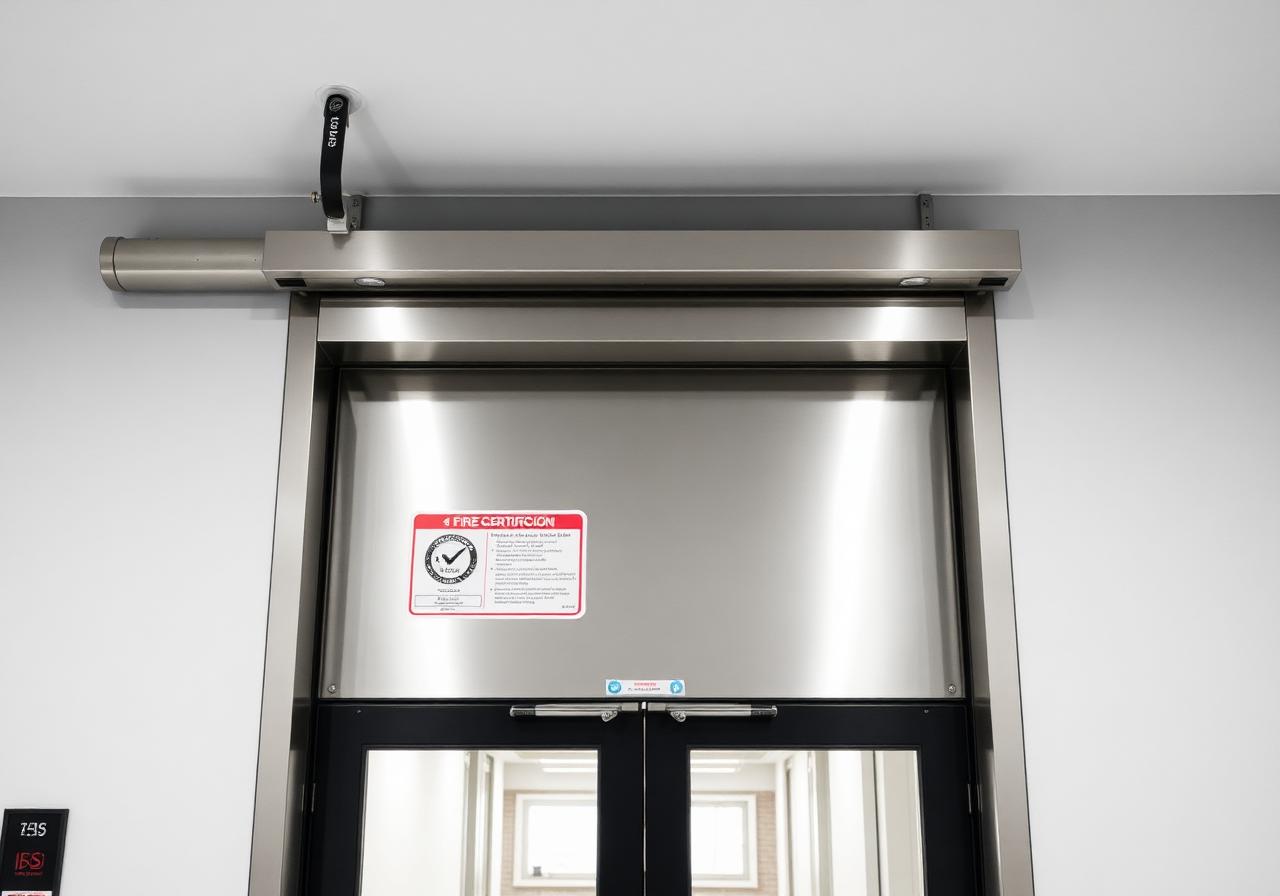
How to test it correctly
Release the door from roughly 5 degrees, then 45, then fully open. It should close and latch each time without a push. The near-closed test is the one that catches most failures, because a closer with insufficient latching action will manage from wide open but stall in the final inches.
Causes, in the order we usually find them
- Closer latching speed or power set too low, often after someone adjusted it to stop the door slamming.
- Hinges worn or the leaf dropped, so it catches on the frame or threshold.
- Latch and keep out of alignment after frame movement.
- New carpet or matting increasing floor drag.
- Air pressure from mechanical ventilation, stairwell effects or an open external door working against the closer.
Why cranking the closer up is the wrong fix
Increasing closer power to force a dragging door shut makes the door heavier to open. Where accessibility matters — care settings, schools, public-facing premises — that creates a different problem. The correct approach is to remove the resistance first and then set the closer to the lowest power that still latches reliably.
What a remedial visit covers
We test each door across its swing, adjust or replace closers and hinges, realign latches and keeps, address threshold interference, and re-test. Every door is recorded with its before and after condition so your fire door records stay current.
Questions we get asked about this
Is a door that closes but does not latch acceptable?
No. An unlatched leaf can be pushed open by pressure during a fire, so the door set cannot perform as tested.
Can a free-swing or hold-open device be used instead?
Only where it is a tested device linked to the fire alarm so it releases on activation. A wedge, hook or wall magnet not linked to the alarm system is not acceptable.
How often should closers be checked?
Communal fire doors in higher-risk residential buildings are checked quarterly under the 2022 regulations. Elsewhere the interval is risk-based, and for busy commercial doors we would generally suggest at least six-monthly.
Doors sticking across a whole block? We will survey them all and give you a prioritised schedule with costs.
Other common fire safety problems
Fire alarms
Fire alarm keeps beeping — what the sound is telling you
Fire alarms
Repeated false alarms — finding the cause instead of living with it
Fire alarms
Amber fault light on the fire alarm panel — how to read it
Compliance & enforcement
Asked for a fire alarm certificate and you haven't got one
Need a Fire Risk Assessment?
Stay compliant and protect your premises. Get a free, no-obligation quote within 24 hours.