
Fire alarms
Fire alarm keeps beeping — what the sound is telling you
A panel or detector is chirping and nobody on site knows why.
Book within days
Short answer
A short repeating chirp is almost always a power or supervision fault, not a fire signal. On a mains-powered system it usually means the standby batteries are low or the mains supply has been interrupted; on a domestic-grade unit it usually means the internal cell is exhausted.
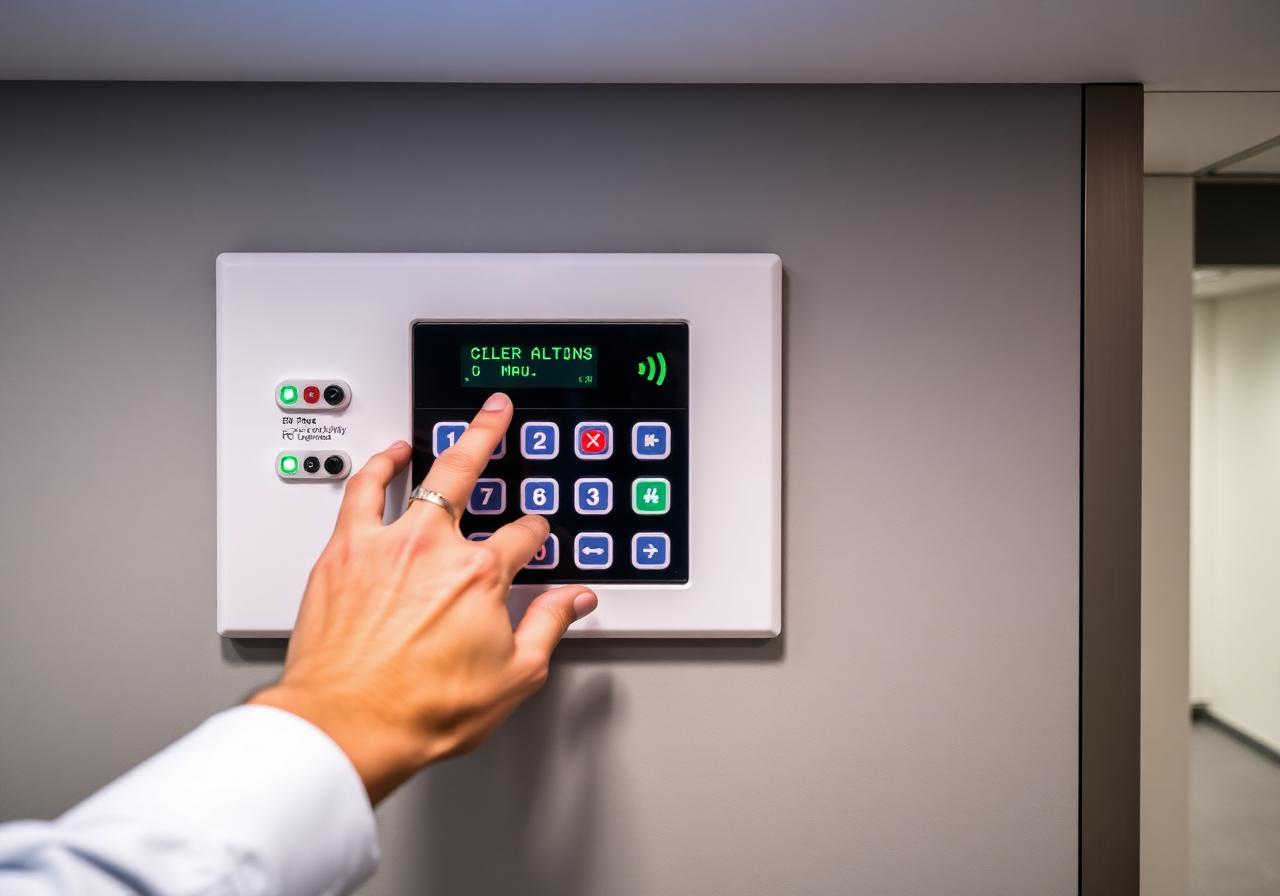
Read the panel before you touch anything
Every addressable and conventional panel logs the reason it is sounding. Before pressing anything, note the illuminated LED (General Fault, Power Fault, Zone Fault, Disablement) and the text on the display. That single line tells an engineer whether this is a battery, a detector, a cable or a programming issue — and often saves a return visit.
The four causes we find most often
In commercial and HMO systems, a repeating fault tone nearly always traces back to one of these:
- Standby batteries past their service life — sealed lead-acid cells typically need replacing every three to four years, sooner in a warm plant room.
- Mains supply interrupted — a tripped RCBO or an isolated spur feeding the panel.
- A detector removed from its base during decorating or a refit, leaving the loop open.
- Cable damage or a loose termination after building work, showing as an open or short circuit on a zone.
Why silencing is not fixing
Most panels allow the fault buzzer to be muted. The fault itself stays active, and while it does, the system is not providing the protection your fire risk assessment assumes it does. If a fire occurred during that period, the log would show the system was left in fault — which is exactly the sort of detail that appears in enforcement correspondence and insurance disputes.
Record the fault in the log book, mute if you must, and get it attended.
What we do on a fault callout
We attend, read the event log, test the supply and standby capacity, and trace the fault to the device or cable. Batteries are carried as stock so most power faults are resolved on the first visit. Anything requiring parts is quoted before we order.
Questions we get asked about this
Can I just take the batteries out to stop the noise?
No. On a mains system the batteries are the standby supply required by BS 5839; removing them leaves the system unprotected in a power cut and creates a further fault. On a battery-only domestic unit, removing the cell disables the detector entirely.
How long can I leave a fault before it becomes a compliance problem?
There is no fixed grace period in law. The Fire Safety Order requires fire safety equipment to be maintained in efficient working order — so the expectation is that faults are recorded and rectified promptly, with the log book showing what was done and when.
Do you fix alarms you did not install?
Yes. We service and repair existing systems from most manufacturers, whether or not we installed them.
If your panel is in fault right now, call us — we will talk you through the display before booking a visit.
Other common fire safety problems
Compliance & enforcement
Asked for a fire alarm certificate and you haven't got one
Fire doors
Fire door gaps that are too big — tolerances and remedies
Fire doors
Fire door won't close and latch — diagnosing the cause
Fire doors
Fire door with no intumescent seals — can it be retrofitted?
Need a Fire Risk Assessment?
Stay compliant and protect your premises. Get a free, no-obligation quote within 24 hours.