
Fire doors
Fire door with no intumescent seals — can it be retrofitted?
Doors described as fire doors have no visible seals in the edge or frame.
Plan it properly
Short answer
Sometimes. Where the leaf is a certified fire door and the manufacturer's specification permits retrofit sealing, grooves can be routed and compatible seals fitted. Where the leaf is not a certified fire door at all, adding seals achieves nothing.
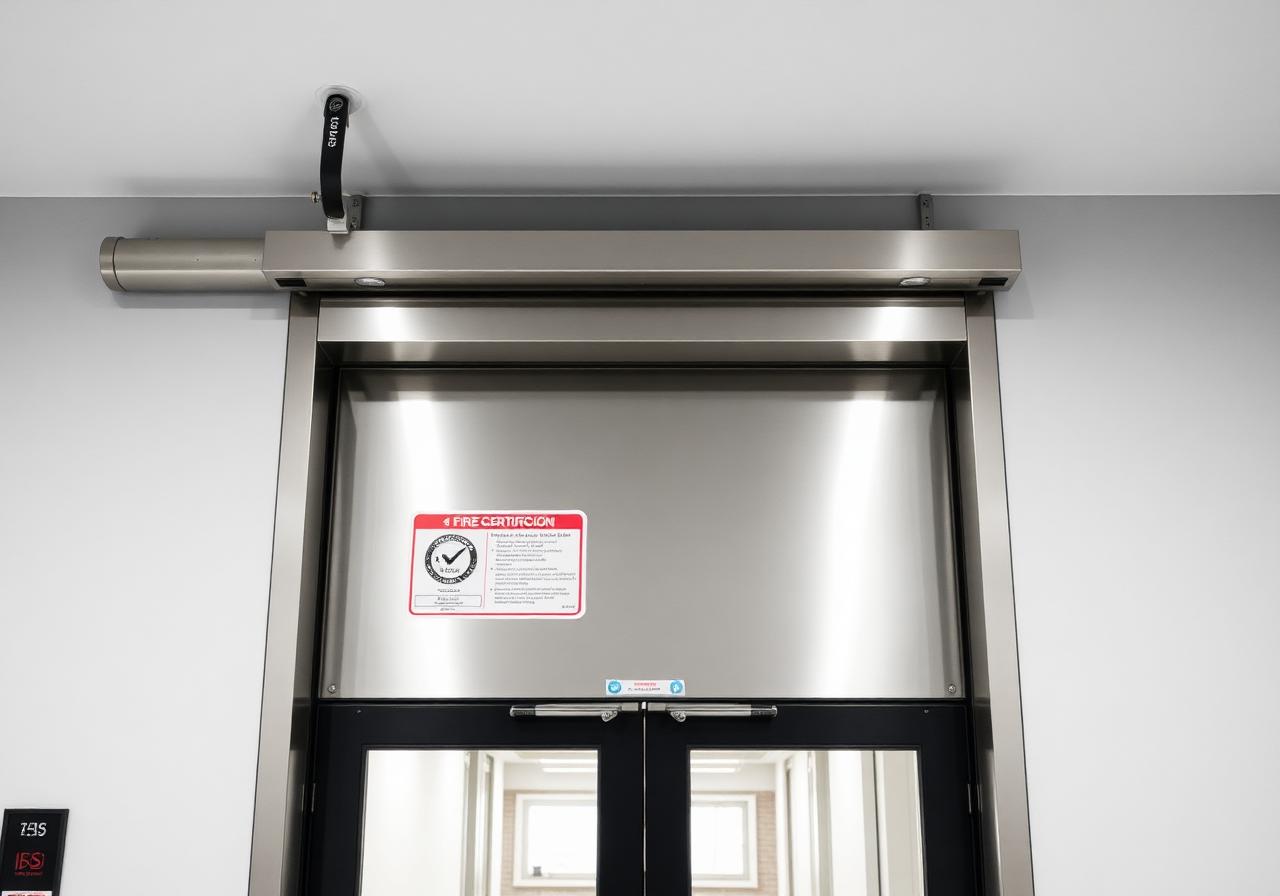
The two seals do different jobs
An intumescent strip is inert at room temperature and expands rapidly once heated, sealing the perimeter gap against flame and hot gases. A cold smoke seal — usually a brush or fin, often combined into the same carrier — works from the moment the door closes and restricts the movement of cool smoke, which is what actually travels down an escape corridor first.
A door needing both and fitted with only an intumescent strip is a partial solution.
Is it actually a fire door?
Before discussing seals, we establish whether the leaf is certified. Indicators include a label or plug on the top or hanging edge, a solid dense core, the correct thickness for its rating, three hinges, and a frame with the correct stop depth. Where none of that is present, the honest position is that the opening needs a new door set rather than a retrofit.
When retrofit sealing is acceptable
Retrofit is a recognised option on certified leaves where the manufacturer or a tested retrofit system supports it. It has to be done to the specified groove dimensions, with a compatible product, and recorded. Done properly it is significantly cheaper than replacement and keeps original doors in service — which matters in older and listed buildings.
Recording the decision
Whichever route is taken, the reasoning belongs in your fire door records: what was found, what evidence there was of certification, what was fitted and to what specification. That is the difference between a defensible position and an argument.
Questions we get asked about this
The seals are painted over — do they still work?
A thin coat of emulsion generally will not prevent an intumescent strip expanding. Heavy layers of gloss, or a brush smoke seal clogged with paint, are a different matter and should be replaced.
Do seals go in the door or the frame?
Either, depending on the tested configuration. What matters is that the installation follows the specification the door set was certified against.
Can you tell from photographs?
Photographs of the door edge, the top edge and any label give us a strong indication, but a certified opinion needs the door inspected in person.
We inspect first and quote second — you will not be sold replacement doors that only needed sealing.
Other common fire safety problems
Fire alarms
Fire alarm keeps beeping — what the sound is telling you
Fire alarms
Repeated false alarms — finding the cause instead of living with it
Fire alarms
Amber fault light on the fire alarm panel — how to read it
Compliance & enforcement
Asked for a fire alarm certificate and you haven't got one
Need a Fire Risk Assessment?
Stay compliant and protect your premises. Get a free, no-obligation quote within 24 hours.